


Complete Guide To Truck Lift Kit Costs
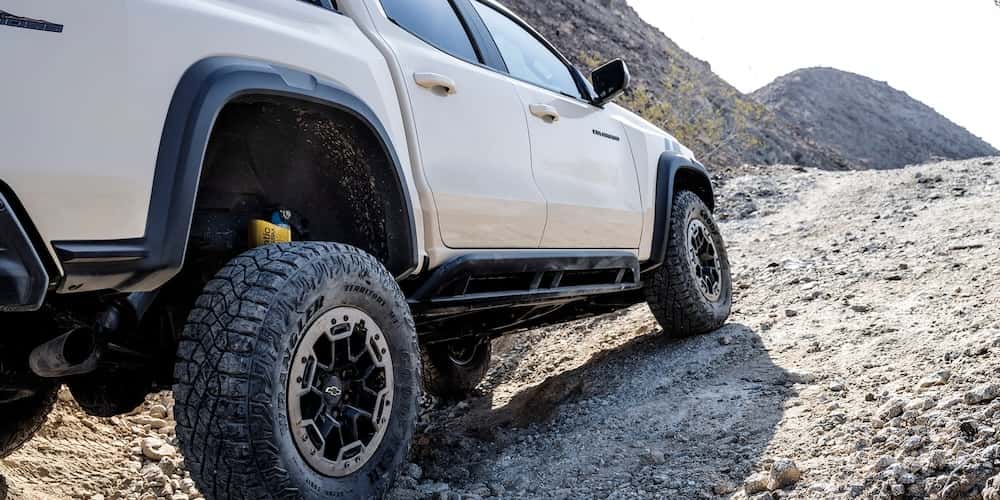
Photo Credit: Chevrolet
Lifting a truck transforms both its aesthetic presence and off-road capability, making it one of the most popular aftermarket upgrades for pickup owners. Before making the investment, most drivers want to know: how much does it cost to lift a truck—and what factors drive those costs? This guide breaks down everything from kit prices and labor fees to structural setup options, helping you decide on the right modification for your vehicle.
The Cost of Lift Kits
The initial price of modifying your truck depends primarily on the depth of the upgrade. Entry-level options like leveling or body kits generally range from $100 to $500, offering a modest height increase without heavily altering core mechanical components. For drivers seeking serious off-road utility and dramatic ground clearance, full suspension lift kits range between $1,000 and $5,000 or more, depending on component quality and suspension complexity.
Cost of Installation
While the hardware accounts for one side of the equation, labor forms the second major expense. Professional installation typically requires 7 to 15 hours of specialized shop time depending on whether you choose a simple body alteration or an extensive suspension conversion. When asking how much does it cost to lift a truck at NYE Chevy, factor in these expert labor hours alongside post-install requirements like professional wheel alignments, which ensure safe handling and prevent premature tire wear.
Choose Your Setup: Lift Kits vs. Leveling Kits
Leveling Kits
Leveling kits raise only the front of the truck by 1 to 2 inches to eliminate the standard factory “rake,” where the rear sits higher than the front. They are cost-effective, maintain near-OEM ride comfort, and allow enough clearance for slightly larger daily tires or front accessories like heavy-duty winches.
Lift Kits
Full lift kits elevate both the front and rear of the pickup, offering height increases ranging from 2 inches to well over 6 inches. These systems significantly alter the vehicle’s profile, permitting maximum tire sizes and delivering maximum ground clearance for intense off-road trail riding.
Body Lifts vs. Suspension Lifts
Understanding the structural difference between a body lift and a suspension lift is key to choosing the right build. A body lift utilizes spacers to raise the cab and bed off the frame without altering the suspension geometry or shocks, delivering an aggressive visual boost at a lower price point. In contrast, a suspension lift replaces vital underbody hardware—such as control arms, leaf springs, and shocks—to physically raise the frame, greatly increasing suspension travel and off-road capability.
Why Should You Pay the Cost to Lift a Truck?
- Superior Off-Road Ground Clearance: A lifted frame allows you to navigate steep angles, rocks, mud, and uneven terrain without damaging vital underbody components.
- Room for Larger Wheels and Tires: Elevating the truck allows for aggressive, larger off-road tires that deliver vastly improved traction and surface grip.
- Commanding Visibility and Stance: The added height provides a superior vantage point on highway drives while giving your pickup an unmistakable, aggressive road presence.
- Enhanced Vehicle Value and Utility: A high-quality, professionally installed lift increases both overall utility and resale desirability among truck enthusiasts.
Getting Your Lift
While aftermarket builds carry risks like voided component warranties or improper installation, working directly with NYE Chevy ensures your modification is engineered safely. So, how much does it cost to lift a truck? Reaching out directly to their factory-trained service technicians provides an accurate, all-inclusive estimate covering genuine OEM parts, professional installation, alignment, and full warranty compliance tailored to your exact model.